7 Mistakes New Art Buyers Make With Prints, Originals, and Editions
New art buyers often get excited by an image and overlook the details that determine value, care, rights, and resale expectations. The smarter approach is to understand what you are buying, document it, and match the work to your budget, space, and long-term comfort.
Collector-start takeaway: Ask whether the work is an original, edition, reproduction, or poster; then confirm condition, provenance, framing, rights, and return terms before paying.
Mistake 1: Using “print” as one broad category
A fine art print, open-edition reproduction, poster, digital print, photographic print, and limited edition are not the same thing. Some are produced as artworks in editions, some are reproductions of artworks, and some are decorative images sold at scale. Tate’s limited edition buyers guide gives a useful entry point for understanding editioned works and why production method matters. Ask about medium, paper, edition size, signature, numbering, publisher, and certificate details. If the seller cannot explain the category clearly, pause before buying.
Mistake 2: Assuming “original” always means better
An original painting or drawing can feel special, but that does not automatically make it better for your goals. Originals may need more careful handling, insurance, conservation, and display planning. A well-made edition by an artist you admire may fit your budget and space better than a fragile original you are nervous to hang. Think about why you are buying: daily enjoyment, supporting an artist, building a collection, gifting, decorating, or studying a medium. The right answer depends on purpose, not hierarchy alone.
Mistake 3: Ignoring condition and framing
Condition affects both enjoyment and future options. Look for fading, foxing, creases, tears, water damage, buckling, poor matting, tape stains, scratches, and frame problems. For works on paper, ask whether materials are archival. Cheap framing can harm a work over time if acidic mats or direct contact with glass are involved. If the price is meaningful to you, request condition photos in natural light and keep them with the receipt. For online buying, make sure returns are clear before the package ships.
Mistake 4: Treating certificates as magic proof
A certificate of authenticity can be useful, but it is only as strong as the issuer. A gallery, publisher, estate, artist studio, or established platform carries different credibility from an unknown seller’s printed certificate. Ask who issued the certificate, what exactly it describes, and whether details match the work. Provenance does not need to be dramatic; it simply means a record of ownership or source. For new buyers, a clean invoice from a reputable gallery or artist can be more useful than vague paperwork with fancy language.
Mistake 5: Forgetting rights and reproduction limits
Buying a physical artwork usually does not mean buying copyright. You can hang the work, lend it, or resell it according to normal ownership rules, but you usually cannot reproduce it commercially, put it on merchandise, or use it in branding without permission. This matters for buyers who run businesses, publish online, or plan to photograph interiors. If image use matters to you, discuss it in writing before purchase. Art ownership and image rights are separate topics.
Mistake 6: Spending the whole budget on the object
The artwork is only part of the cost. Shipping, customs, framing, installation, lighting, insurance, conservation, and future moving can add up. A large canvas may need professional transport. A delicate work on paper may need UV-protective glazing. A sculpture may need secure placement. Set a total project budget, not just a purchase price. This is similar to live entertainment buying: a ticket price alone is not the full cost, as explained in resale ticket mistakes for music fans.
Mistake 7: Buying too fast because the seller creates urgency
Scarcity can be real, especially with small editions or emerging artists. It can also be a sales tactic. You do not need to insult the seller by asking questions. Good galleries, artists, and platforms expect buyers to ask about medium, edition, condition, payment, shipping, and returns. If you feel pressured, step back and decide what information is missing. The work may still be available after you think. If not, another work will be.
A Buyer’s Paper Trail That Actually Helps
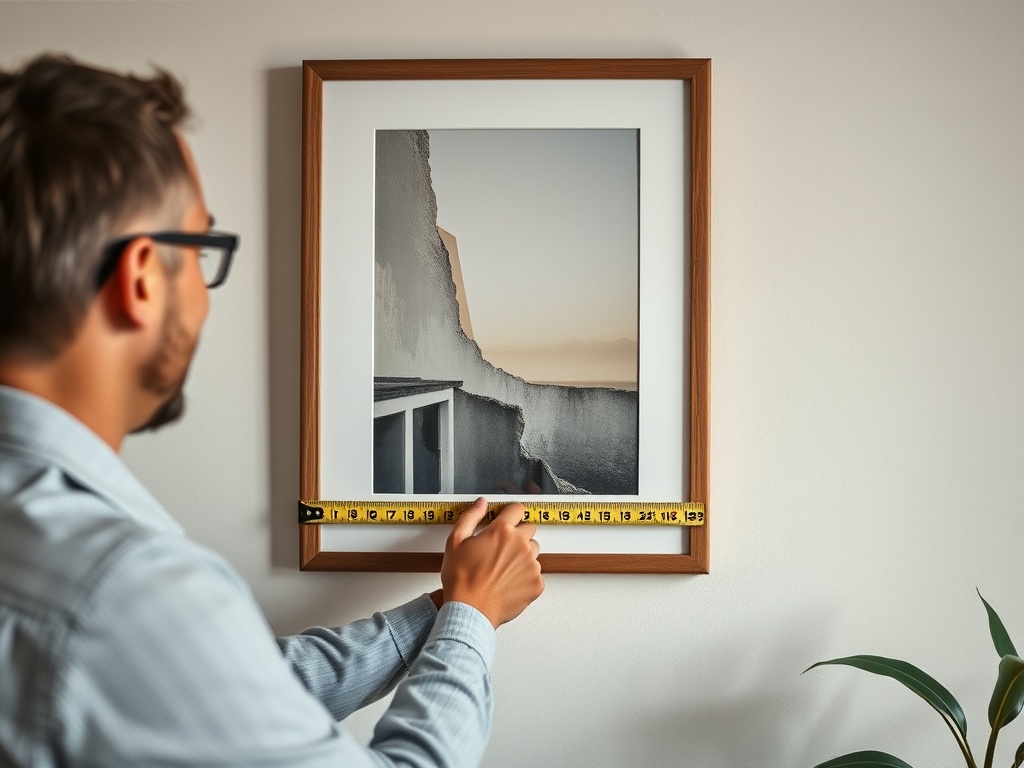
Create a simple folder for each artwork. Save invoice, seller contact, artist name, title, year, medium, dimensions, edition information, certificate, condition photos, framing details, shipping records, and installation notes. This protects you if you move, insure, lend, gift, or resell the work. It also helps you learn your taste. Over time, patterns appear: subjects, colors, materials, scale, artists, and galleries you return to.
For people who want to study art before buying, adjacent habits help. Looking closely at cinema, theater design, and illustration can sharpen your eye for composition and materials. You might find that new illustrators quoting client work gives useful vocabulary for labor, rights, and creative process from the maker’s side.
Buy Art With Your Eyes and Your Paperwork
The best first purchase is not the one that sounds most prestigious. It is the one you understand, can afford, can care for, and will still want to live with after the excitement cools. Ask clear questions, keep records, and let your collection grow at a pace that keeps pleasure ahead of pressure.
How to Compare Two Works You Like
When choosing between two pieces, compare them on more than attraction. Ask which one you understand better, which fits your space, which has clearer paperwork, which condition is stronger, and which total cost is more realistic after framing or shipping. If one work depends on a story the seller told but cannot document, treat that story as interesting rather than as value. If another work is simpler but fully documented, it may be the wiser first purchase.
Take a day away from the image if the price is significant to you. Art should hold interest after the first rush. If it still pulls you back, the slower decision will feel better.
If you are still unsure, ask the seller to put the key details in one email before payment. A clear written summary often reveals whether everyone understands the same purchase.