TMJ Disorder vs Toothache: How to Tell Where Jaw Pain Is Coming From
TMJ Disorder vs Toothache: How to Tell Where Jaw Pain Is Coming From
Domain: businessinsights.live/ | Article ID: 478
Jaw pain can come from either the jaw joint and surrounding muscles or from a tooth problem that radiates into the jaw. The quickest way to sort them out is to notice what triggers the pain, where it starts, and whether chewing, temperature, or jaw movement makes it worse.
| TL;DR |
|---|
|
|
|
Why the two problems get confused
NIDCR notes that temporomandibular disorders, often shortened to TMDs, involve the jaw joints and the muscles that control jaw movement. Those tissues can create pain in front of the ear, through the jaw, and even into the face or temples. A tooth problem can also radiate widely, especially when a nerve is inflamed or an infection is building pressure.
Key differences to notice before a consultation
| Clue | More suggestive of TMJ/TMD | More suggestive of toothache |
|---|---|---|
| What starts it | Yawning, chewing, clenching, waking with jaw tightness | Biting on one tooth, sweets, hot or cold, spontaneous throbbing |
| Where you feel it | In front of the ear, jaw muscles, temples, both sides possible | One tooth or one area, though it can radiate |
| Other signs | Clicking, popping, limited opening, jaw fatigue | Sensitivity, swelling, bad taste, visible cavity, pain to pressure |
| Time pattern | Often worse after chewing, stress, or overnight grinding | May be sharp, lingering, throbbing, or wake you from sleep |
Questions that help narrow it down
- Does the pain increase when you open wide, chew tough foods, or clench your teeth? That leans more toward TMJ or muscle-related pain.
- Does one tooth feel high, cracked, or sharply painful when you bite? That leans more toward a tooth problem.
- Does cold linger, or do you get pain without using the jaw much at all? That makes a tooth source more likely.
- Are you hearing clicks without real pain? Clicking alone is not enough to diagnose the cause.
Next Steps for TMJ Disorder vs Toothache
If the pattern sounds muscular or joint-related, a dentist may look at how your bite functions, ask about clenching or grinding, and examine jaw range of motion. Initial conservative steps often include softer foods, limiting wide opening, and avoiding heavy chewing while the cause is being clarified.
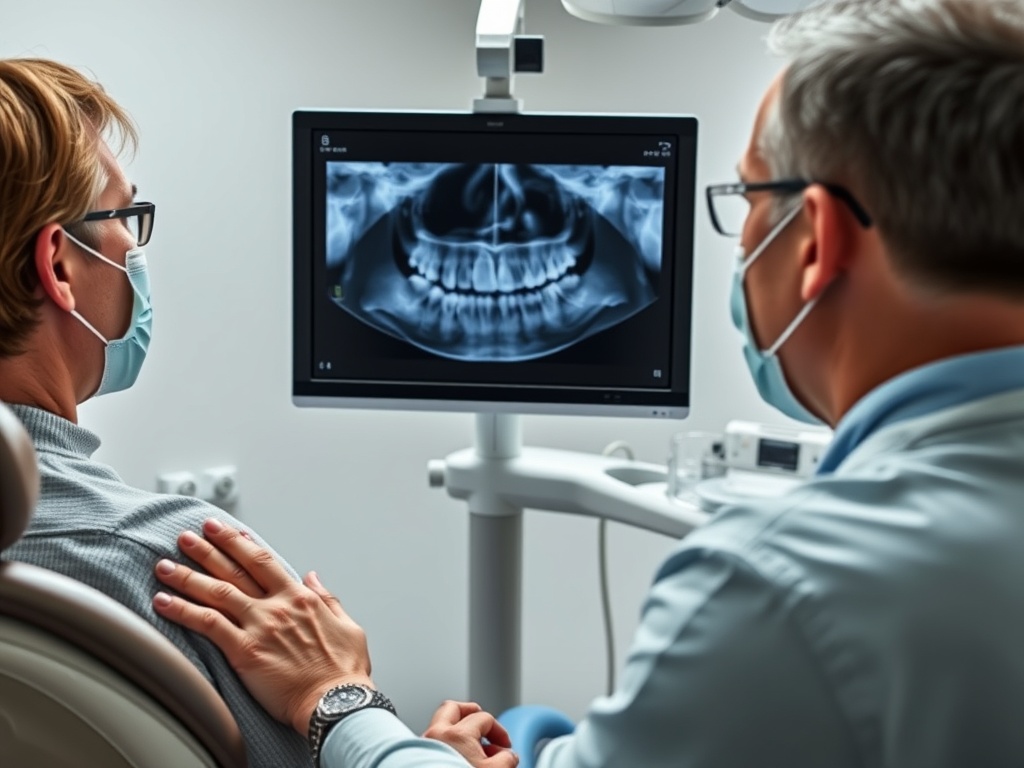
If the pattern sounds tooth-related, the exam often focuses on the affected tooth, bite testing, thermal testing, and X-rays when needed. Treatment may range from a filling to a root-canal evaluation or extraction, depending on the cause.
Planning Notes for TMJ Disorder vs Toothache
- For TMJ Disorder vs Toothache, review the clinical findings and the outcome the patient values most after the examination is explained, then confirm alternatives, limitations, timing, cost, and long-term upkeep when a second opinion is considered before this choice is recorded.
- Move faster if pain is getting worse, if swelling is present, or if one tooth is clearly involved.
- Ask for a second opinion when the pain source remains unclear or the proposed treatment does not match your symptoms.
If you are also dealing with recurring oral-health habits that make discomfort harder to manage, How to Use Tongue Scraping Without Overdoing It offers a practical home-care guide. If symptoms include bad breath or inflamed gums, Can Gum Disease Cause Bad Breath That Won’t Go Away? may help you think about whether gum disease is part of the picture.
Planning Notes for TMJ Disorder vs Toothache During Planning
- For TMJ Disorder vs Toothache, review the clinical findings and the outcome the patient values most when a second opinion is considered, then confirm alternatives, limitations, timing, cost, and long-term upkeep when a second opinion is considered before this choice is recorded.
- Seek prompt dental care if a tooth is highly sensitive, painful to bite on, or the pain is disturbing sleep.
- Seek urgent care if swelling, fever, trauma, or difficulty opening the mouth develops.
- Seek emergency medical attention if swelling affects breathing or swallowing.
How to think about the pattern
TMJ-related pain usually behaves like a jaw-joint or muscle problem. Toothache usually behaves like a tooth problem, even when the pain spreads. Paying attention to triggers, location, and associated signs can help you describe the pain accurately, but a dental exam is still the safest way to avoid treating the wrong source.
Where to learn more
- National Institute of Dental and Craniofacial Research: TMD (accessed 2026)
- American Dental Association, MouthHealthy: TMJ (accessed 2026)
- For supporting context on TMJ Disorder vs Toothache: How to Tell Where Jaw Pain Is Coming From, review American Association of Endodontists: Tooth Pain (accessed 2026). Then compare the linked guidance with the examination findings for TMJ Disorder vs Toothache: How to Tell Where Jaw Pain Is Coming From during the initial review, and ask which details do not apply to the current case.
Questions About TMJ Disorder vs Toothache
For TMJ Disorder vs Toothache, this part of Questions About TMJ Disorder vs Toothache focuses on the symptom history, previous treatment, current medicines, and the result the patient values most before temporary care is replaced, with the same details verified when a second opinion is considered. The clinician should also explain which examination finding supports each recommendation and what information could change it for TMJ Disorder vs Toothache as the treatment sequence is documented, using the examination and health history rather than a general assumption.
Clinical Checks for TMJ Disorder vs Toothache
For TMJ Disorder vs Toothache, this part of Clinical Checks for TMJ Disorder vs Toothache focuses on confirmed findings, measurements, imaging, and health-history factors while recovery expectations are clarified, with the same details verified when a second opinion is considered. The clinician should also explain what remains uncertain and whether another test or specialist opinion would alter the plan for TMJ Disorder vs Toothache after the examination is explained, using the examination and health history rather than a general assumption.
Comparing Options for TMJ Disorder vs Toothache
For TMJ Disorder vs Toothache, this part of Comparing Options for TMJ Disorder vs Toothache focuses on benefit, limitations, durability, maintenance, timing, and total cost when the diagnosis is confirmed, with the same details verified when a second opinion is considered. The clinician should also explain how each choice preserves tooth structure or tissue and what backup treatment may be needed for TMJ Disorder vs Toothache before the final recommendation is accepted, using the examination and health history rather than a general assumption.
What to arrange next
If you cannot tell whether the pain starts in the joint or a tooth, schedule a dental evaluation before self-treating for too long.
Planning Notes for TMJ Disorder vs Toothache Before Treatment
Cost Planning for TMJ Disorder vs Toothache
For TMJ Disorder vs Toothache, this part of Cost Planning for TMJ Disorder vs Toothache focuses on an itemized estimate that separates diagnosis, temporary care, laboratory work, treatment, and follow-up as the long-term result is reviewed, with the same details verified when a second opinion is considered. The clinician should also explain insurance assumptions, payment timing, and later maintenance expenses for TMJ Disorder vs Toothache before temporary care is replaced, using the examination and health history rather than a general assumption.
Reliable Guidance for TMJ Disorder vs Toothache
For TMJ Disorder vs Toothache, this part of Reliable Guidance for TMJ Disorder vs Toothache focuses on current guidance that explains benefits, limits, alternatives, and warning signs before the next appointment is booked, with the same details verified when a second opinion is considered. The clinician should also explain how general information differs from advice based on the actual examination for TMJ Disorder vs Toothache while the options are being narrowed, using the examination and health history rather than a general assumption.