7 Mistakes New Stream Viewers Make When Joining Competitive Esports Communities
New esports stream viewers often feel lost because competitive broadcasts move quickly and chat culture has its own rules. The best way in is to learn the game basics, respect community norms, and participate lightly until you understand the room.
First-stream takeaway: Watch the broadcast before judging the chat, learn the score format, avoid spoilers and harassment, and remember that every channel has its own expectations.
Mistake 1: Entering chat before understanding the match
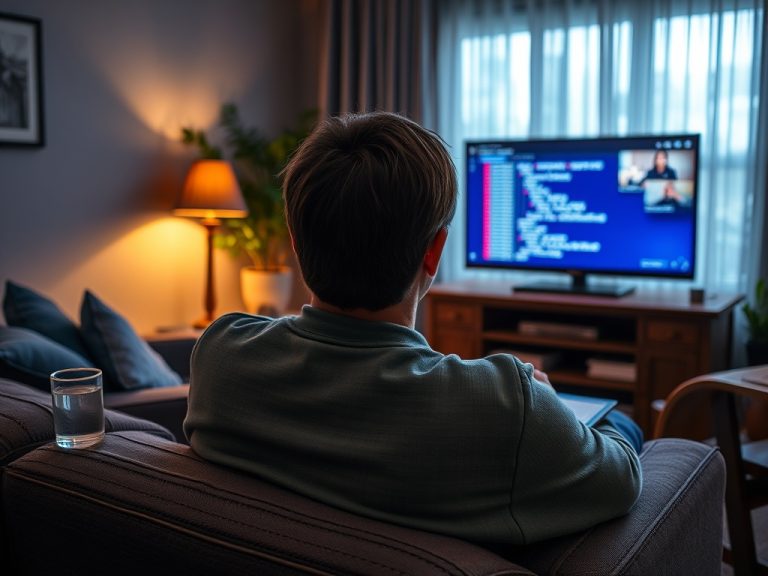
Esports chat can be funny, fast, and chaotic, but it is a poor teacher if you have no context. Spend the first map, round, game, or match mostly watching. Identify the teams, objective, score format, roles, and win condition. Listen to the casters. Many broadcasts explain strategy through replays and desk segments. If you ask a question, make it specific: “What does overtime mean here?” works better than “What is happening?” A little patience makes the stream less overwhelming.
Mistake 2: Treating every channel like the same community
A co-stream, official tournament broadcast, player stream, team channel, analyst desk, and casual watch party can have very different norms. Some chats are meme-heavy. Some are strict. Some allow light trash talk. Others remove it quickly. Read pinned messages, channel rules, moderator comments, and the tone of regular viewers. Twitch’s Community Guidelines explain broader safety expectations, but each channel can also set tighter rules. When in doubt, be quieter and kinder than the fastest messages around you.
Mistake 3: Spoiling results or outside information
Live streams can have delays, regional rebroadcasts, bracket spoilers, and viewers joining late. Posting results from another match, leaks, betting odds, or social media updates can ruin the experience. Do not assume everyone is watching the same feed at the same time. If a channel has spoiler rules, follow them. If it does not, use restraint. Competitive suspense is part of the entertainment.
Mistake 4: Copying toxic jokes to fit in
Fast chat can make bad behavior look normal. Harassment, slurs, personal attacks, targeted insults, and spam are not harmless because a lot of people are typing. Streamers, players, casters, moderators, and other viewers are real people, even when the chat feels abstract. If you would not say it in a venue seat, do not send it to a live channel. This habit also makes other entertainment spaces better, from theater audiences to fan communities.
Mistake 5: Ignoring moderation tools
You do not have to endure every message to be a “real” fan. Use chat filters, block, report, slow mode, follower-only settings, or hide chat when needed. If you are new, watching without chat for the first match can help you learn the game faster. Then bring chat back when you want the social layer. Control the viewing environment the same way a careful series viewer controls autoplay and distractions; binge-watching mistakes covers that attention problem in streaming entertainment more broadly.
Mistake 6: Assuming loud confidence equals expertise
Esports viewers often type strong opinions instantly: draft lost, player washed, coach clueless, caster biased. Some comments are informed. Many are emotional. Learn from analysts, official explanations, player interviews, patch notes, and repeated viewing rather than the loudest chat line. Competitive games involve hidden information, team communication, pressure, and split-second choices. A mistake that looks obvious in replay may have been far less clear live.
Mistake 7: Spending before you understand the scene
Subscriptions, donations, team merch, fantasy contests, watch-party tools, and event tickets can be fun, but new viewers should learn the ecosystem first. Follow the game for a few weeks. Watch different teams. Compare official broadcasts and creator streams. Understand schedules and tournament formats. If you later attend a live event or buy related tickets, the same caution used for resale concert tickets applies: verify official channels, total price, and entry rules.

A Beginner Stream Routine for Competitive Matches
Before the match, read a short preview or standings page. During the first segment, focus on the objective and scoring. Keep chat open but do not chase every meme. Ask one specific question if you need help. After the match, watch a recap or analysis segment to check what you missed. Over time, you will recognize team styles, player roles, map priorities, patches, and rivalries without forcing yourself to learn everything in one night.
Join the Stream Without Becoming the Problem
Esports communities are at their best when excitement and respect can share the same chat. Your next step is simple: choose one game, one beginner-friendly broadcast, and one match where you mostly watch, listen, and learn. Participation gets better once you understand both the competition and the people watching with you.
How to Learn the Culture Without Pretending Expertise
Pick one team, player, or role to follow for a few broadcasts. Watch how commentators describe decisions, how fans react to wins and losses, and which jokes repeat. Look up terms after the match rather than interrupting every moment with searches. If you want to join chat, start with low-risk participation: a question, a positive reaction, or a thanks to moderators. You do not need to perform expert knowledge to belong.
As you learn, separate competitive criticism from personal attack. Saying a strategy failed is different from insulting a player. Good communities understand that difference.
New viewers should also be careful with gambling-adjacent conversation, fantasy picks, and prediction features. Competitive talk can turn financial very quickly in some communities. If you are there to learn the esport, mute or ignore anything that pushes spending before you understand the game.
Finally, remember that lurking is acceptable. Many strong community members spend months watching quietly before they chat regularly. Observation is participation when it helps you respect the space.
This is especially useful during finals, rivalry matches, or major patches, when chat moves faster and emotions run higher. Slower participation helps you enjoy the hype without copying the worst habits in the room.
A calmer first month usually creates a better long-term fan.