7 Mistakes New Manga Readers Make When Importing or Ordering Series
New manga readers often make ordering mistakes because series formats, reading direction, print availability, editions, and import costs are unfamiliar at first. The safest approach is to verify the series order, publisher, language, condition, and total delivered cost before buying.
Shelf-building takeaway: Confirm volume number, edition type, language, reading direction, seller reliability, and shipping terms. Manga collecting is easier when you buy by series plan rather than impulse.
Mistake 1: Starting with the wrong volume or edition
Manga series can include singles, omnibus editions, collector’s editions, box sets, spin-offs, light novels, art books, and side stories. A “volume 1” may not be the first item in the version you meant to buy. Before ordering, identify the exact English or original-language publisher, format, ISBN when possible, and release sequence. If a series has multiple editions, choose one path and stick to it. Mixed editions can be fine for reading, but frustrating for collectors who care about trim size, spine design, or shelf consistency.
Mistake 2: Forgetting that manga usually reads right to left
Many English-language manga editions preserve the original right-to-left reading order. VIZ explains in its company FAQ that Japanese comics are read from right to left and that this helps maintain panel flow as intended by the artist. New readers sometimes think they received a misprinted book or accidentally spoil the ending by opening it like a Western paperback. Check the back cover guidance if included, then give your eyes time to adjust.
Mistake 3: Buying imports without checking language
A cover image may look familiar, but the listing may be Japanese, French, Spanish, German, Italian, Korean, or another language. This is not a problem if you want that edition, but it is a costly mistake if you expected English. Check title, publisher, ISBN, product description, and customer photos. Be careful with marketplace listings that merge reviews across editions. A review for the English paperback may appear near a Japanese import listing. Read the seller’s details, not just the star rating.
Mistake 4: Underestimating shipping, customs, and damage risk
Importing can make sense for out-of-print volumes, special editions, or original-language collecting. It can also add shipping cost, taxes, customs delays, and damage risk. Books are vulnerable to corner dents, spine creases, moisture, and poor packaging. Ask how items are packed, especially for box sets. Compare total delivered cost with domestic options. Sometimes waiting for a reprint or buying from a specialist store is cheaper than chasing one urgent listing.
Mistake 5: Chasing out-of-print panic
Manga availability can be uneven. A missing volume may be temporarily out of stock, between print runs, or genuinely out of print. New collectors often overpay because they assume scarcity is permanent. Search multiple retailers, library catalogs, publisher announcements, used bookstores, and community discussions before paying a premium. If you are reading rather than collecting, digital editions or library copies may bridge the gap. This mindset connects with the wider reading advice in reading more widely without pressure: format flexibility can keep the story moving.
Mistake 6: Ignoring condition language
Used manga listings may use terms like acceptable, good, very good, remainder mark, ex-library, yellowing, shelf wear, smoke smell, water damage, loose pages, or sun fading. For casual reading, some wear may be fine. For collecting, it matters. Ask for photos of spine, corners, page edges, and any inserts. If a listing uses a stock image, do not assume the actual copy matches. Save screenshots and seller messages until the book arrives.
Mistake 7: Ordering before deciding how you want to read
Some readers want physical shelves. Others want digital convenience, library access, box sets, or original-language practice. There is no single correct path. Decide what matters: price, space, translation, release speed, art reproduction, collectability, or portability. If you love the story first, you can collect later. If you care about editions first, slow down before buying mismatched volumes. A plan keeps enthusiasm from turning into clutter.
A Manga Ordering Checklist That Saves Money
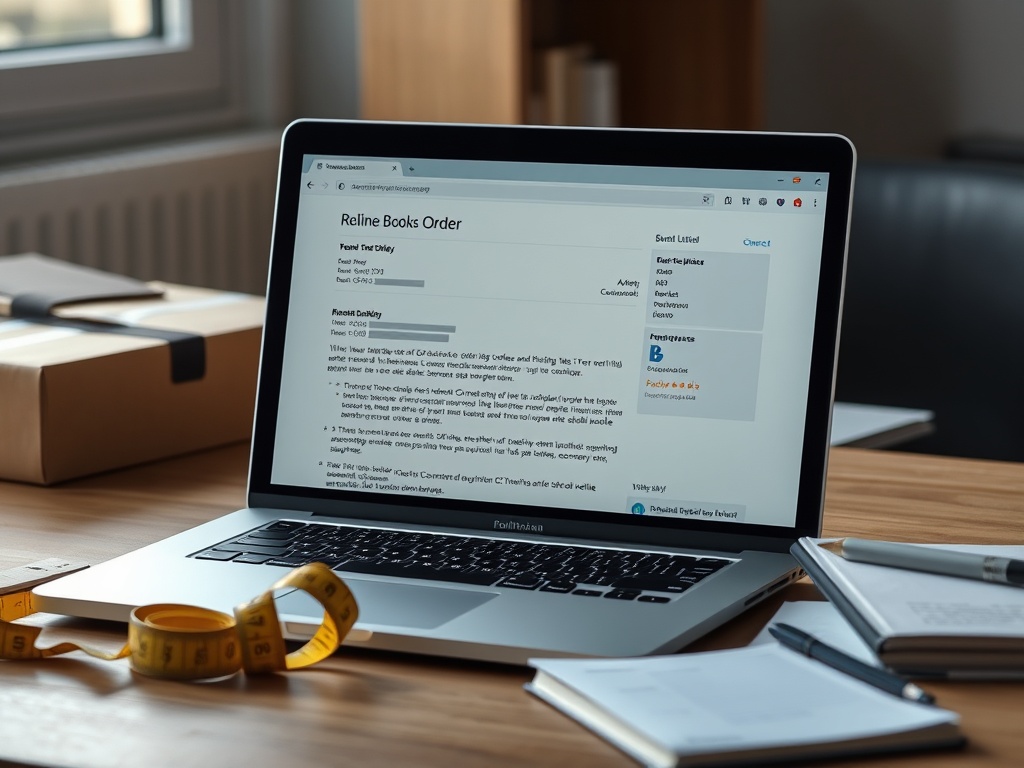
Before checkout, confirm series title, volume number, edition, language, publisher, ISBN, condition, seller rating, shipping cost, delivery time, return policy, and packaging expectation. For imports, add customs rules and currency conversion. For out-of-print books, search at least three sources and decide your maximum price before bidding. For gifts, confirm age rating and content suitability.
Order Manga With Less Guesswork and Fewer Spoilers
Manga reading is welcoming once you understand the format. The early mistakes usually come from assuming every book market works the same way. For your next order, verify the edition, read the listing carefully, and choose the format that supports your actual reading goal, not just the fastest purchase.
How to Build a Series Plan Before Buying
Create a simple series sheet with columns for volume number, edition, language, owned, read, and target price. Mark omnibus volumes carefully because one book may contain several original volumes. Before buying a rare volume, check whether a box set or reprint would solve the problem more cleanly. If you plan to read digitally first and collect later, mark favorites as candidates rather than buying every title immediately.
This method also prevents accidental duplicates. Manga titles can have subtitles, arcs, variant covers, and retailer-specific listings that look like new books when they are not.
Also check age ratings and content notes when buying for younger readers or as gifts. Manga covers can look playful while the story includes violence, horror, sexual content, grief, or mature themes. Publishers and retailers vary in how clearly they display ratings, so confirm before wrapping the book or recommending it.
If you are importing for language study, separate learning goals from collecting goals. A cheaper used copy may be perfect for annotation, while a pristine limited edition may be better left unmarked. Buying for the right use keeps the shelf practical.
When in doubt, buy one volume to test the edition before committing to a full run.
A single test copy can reveal paper quality, translation style, and shelf fit.