The rise of robotics in layout, rebar tying, and inspection
Robotics is rising in construction because layout, rebar tying, and inspection include repetitive, physically demanding, or data-heavy tasks that can benefit from automation. Adoption is still uneven, so contractors should treat robots as controlled production tools rather than automatic replacements for skilled supervision.
Robotics Adoption Lens
TL;DR: Layout robots, rebar-tying systems, and inspection robots can support productivity and documentation when the task is repeatable, the environment is controlled, and human verification remains part of the workflow.
Why these three use cases are getting attention
Construction robotics is not one market with one maturity level. A layout robot on a flat slab, a rebar-tying robot on bridge deck reinforcement, and a mobile inspection platform in a partially finished building all face different constraints. The common thread is that each use case targets repetitive work where precision, fatigue, access, or data capture matters.
NIST's publication on robotics in construction describes construction automation concepts and examples that have developed over decades. That history matters because the current wave of jobsite robotics is not pure novelty. What has changed is the combination of better sensing, digital models, batteries, jobsite connectivity, and contractor pressure to manage labor constraints.
For a company already reading a myth-busting guide to predictive maintenance hype, the same caution applies here: technology can help, but only when the process around it is mature.
Where robots fit best today
| Use case | Practical value | Adoption caution |
|---|---|---|
| Robotic layout | Transfers points from digital drawings to floors or decks with less manual marking | Model quality and field conditions still matter |
| Rebar tying | Reduces repetitive tying strain on suitable mats or decks | Congested, vertical, or irregular reinforcement can limit use |
| Progress capture | Documents installed work using photos, scans, or mapped routes | Data must be reviewed, tagged, and acted on |
| Inspection support | Helps compare installed work against models or checklists | Does not replace required inspections by authorities or professionals |
| Material movement | Can reduce walking and manual hauling in controlled areas | Requires route planning, access control, and safety review |
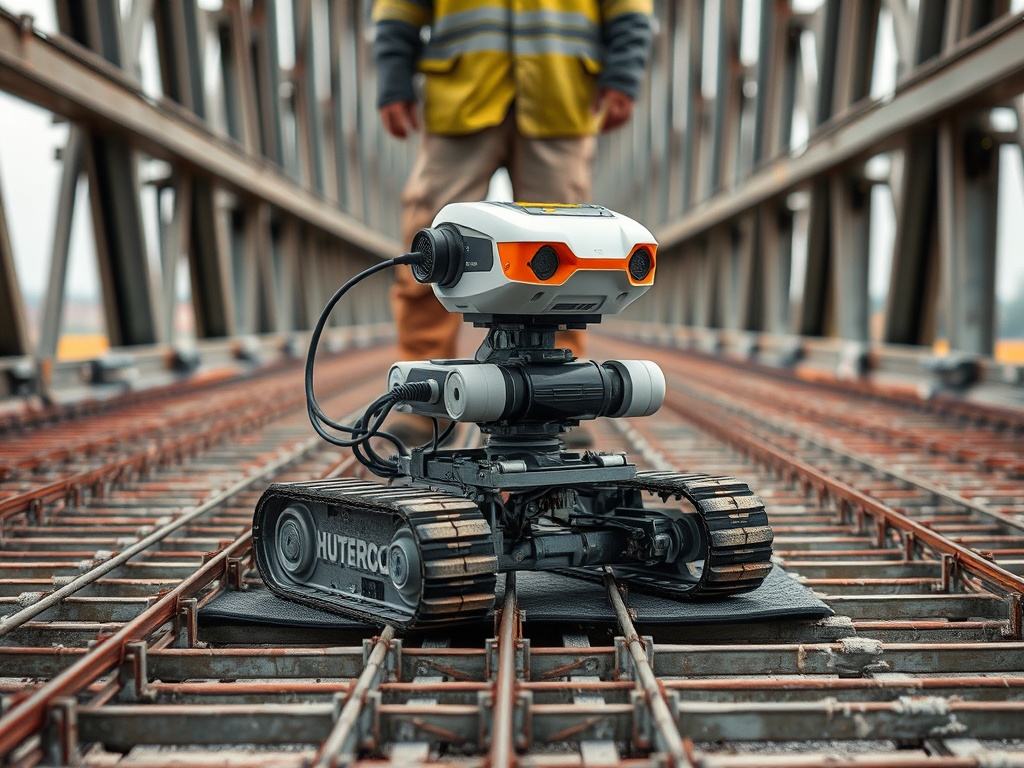
The biggest misconception is that robotics removes the need for skilled people. In most construction settings, robots shift the skill requirement. Teams need people who can prepare models, calibrate equipment, manage site conditions, verify outputs, and respond when the tool encounters a condition it cannot interpret.
Layout: speed depends on model discipline
Robotic layout is attractive because layout errors can ripple through framing, MEP rough-in, penetrations, and finishes. A layout robot can place many points with consistency, but it is only as reliable as the data, control points, and field setup behind it.
Good candidates include repetitive interior partitions, hanger points, sleeves, embeds, and deck layout where the surface is accessible. Poor candidates include unstable surfaces, incomplete models, conflicting drawings, or active areas where people and materials constantly block the route.
Contractors should define verification rules before the first production day. For example, a layout lead may spot-check a percentage of points, verify control points at the start of each shift, and record deviations. This keeps the robot inside a quality-control system.
Rebar tying: less strain, but not universal fit
Rebar tying attracts attention because it is repetitive, physically demanding, and often performed in awkward postures. Research continues to explore vision-based detection and robotic path planning for tying intersections, but real projects vary widely in bar spacing, congestion, access, slab geometry, and weather exposure.
The practical takeaway is measured: rebar-tying robots may fit projects with repetitive horizontal mats or decks, but they should be trialed against actual site conditions. Contractors should compare setup time, access limitations, tie quality requirements, worker acceptance, and backup plans.
Safety planning is also essential. OSHA's robotics topic page notes that robots are used for tasks that may be unsafe, hazardous, repetitive, or unpleasant, but robot hazards can occur during non-routine activities such as programming, maintenance, testing, setup, or adjustment. Construction jobsites add moving people, changing surfaces, temporary power, weather, and limited space to that risk profile.
Inspection and progress capture: useful only when data becomes action
Robotic inspection tools, reality capture platforms, and automated progress walks can collect large amounts of visual or spatial data. The challenge is not just capture. It is turning that capture into decisions.
A progress robot that photographs corridors every night may help document installation sequence. A scan-to-model workflow may help identify missed sleeves or clashes. A mobile platform may help track completed rooms. Yet none of this matters if the data is not assigned to a person, reviewed against a standard, and converted into a work order, RFI, or quality issue.
This is where what causes concrete cracking and how to minimize it becomes a useful reminder: inspection support can document symptoms, but technical interpretation still belongs to qualified people.
Implementation mistakes that stall robotics
The first mistake is buying a tool before choosing a repeatable use case. A contractor should identify a pain point, map the current process, and define what success would look like.
The second mistake is assuming vendor demonstrations equal jobsite performance. Demos often happen in cleaner, simpler conditions than active work areas.
The third mistake is ignoring data ownership. Robotic capture may involve photos, scans, models, and project records that need storage rules, access controls, and contract alignment.
The fourth mistake is failing to train supervisors. A tool that only one champion understands can become idle when that person leaves.
Pilot framework for contractors
A realistic pilot should answer these questions:
- What task will the robot perform, and what task will it not perform?
- What site conditions must exist before use?
- Who verifies output?
- What safety plan applies during setup, operation, and maintenance?
- How will productivity, rework, documentation quality, and worker feedback be evaluated?
- What is the manual backup plan?
The aim is not to prove the robot is impressive. The aim is to decide where it reliably belongs in production.
How to Pilot Robotics Without Distorting Production
Robotics adoption works best when it starts narrow, stays measurable, and respects field realities. Layout, rebar tying, and inspection tools can support construction teams, but they are not substitutes for competent supervision, clean data, safe work planning, or contract-quality records.
As robotics becomes more common, contractors should also revisit how warranties work after construction is complete because better digital records may improve traceability without changing the underlying warranty terms.
Informational note: This content is educational only and does not replace professional engineering, safety, legal, robotics-integration, or project management advice. Site-specific robotics use should be reviewed under applicable codes, contracts, manufacturer instructions, and safety requirements.