How warranties work after construction is complete
Construction warranties work after completion by defining which defects, materials, equipment, or workmanship issues may be corrected by the contractor, manufacturer, or another responsible party during a stated period. They are contract-driven, jurisdiction-sensitive, and different from maintenance obligations, insurance claims, and normal wear.
Warranty Handoff Snapshot
TL;DR: Owners should organize warranties at closeout, understand notice requirements, separate workmanship from manufacturer coverage, and document issues early. Contractors should define coverage limits clearly and respond through a consistent process.
What a construction warranty actually promises
A construction warranty is not a general promise that a building will never have problems. In most projects, warranties describe a defined standard of work, a period for correction, exclusions, notice requirements, and the process for making a claim. The exact terms depend on the contract, the project type, the jurisdiction, and the products installed.
Many owners confuse three things: contractor correction obligations, manufacturer warranties, and ongoing maintenance. A contractor may be responsible for correcting defective workmanship under the contract. A manufacturer may cover a failed product or component under its own terms. The owner or facility team is usually responsible for routine maintenance after turnover unless the contract says otherwise.
Cornell's Legal Information Institute explains that implied warranty principles can vary by context and state, including special treatment for some new construction transactions. That is why warranty language should be reviewed as part of the contract rather than assumed from a generic template.
On the practical side, teams that use mobile work orders and photo documentation in the field are often better positioned to show when an issue appeared, where it is located, and what has already been done.
Common warranty categories after completion
| Coverage area | Typical source | What owners should verify |
|---|---|---|
| Workmanship correction | Construction contract | Notice deadline, correction period, exclusions |
| Manufacturer product warranty | Product manufacturer | Registration, transferability, required maintenance |
| Specialty system warranty | Roofing, envelope, equipment, controls, or flooring supplier | Approved installer requirements and inspection conditions |
| Statutory or implied rights | Applicable law | Local rules and limitation periods |
| Maintenance agreement | Separate service contract | Scope, response time, parts, consumables, exclusions |

A warranty file should include executed contracts, approved submittals, O&M manuals, product data, commissioning reports, attic stock records, inspection sign-offs, and vendor contacts. This file becomes far more useful when it is tied to asset locations rather than stored as a pile of PDFs.
RICS guidance on defects and rectifications is aimed at construction professionals managing defects during and after construction, which reflects a useful mindset: the work is not only about blame. It is about identifying the defect, documenting it, assigning responsibility, and managing rectification without creating more damage.
What owners should do immediately after turnover
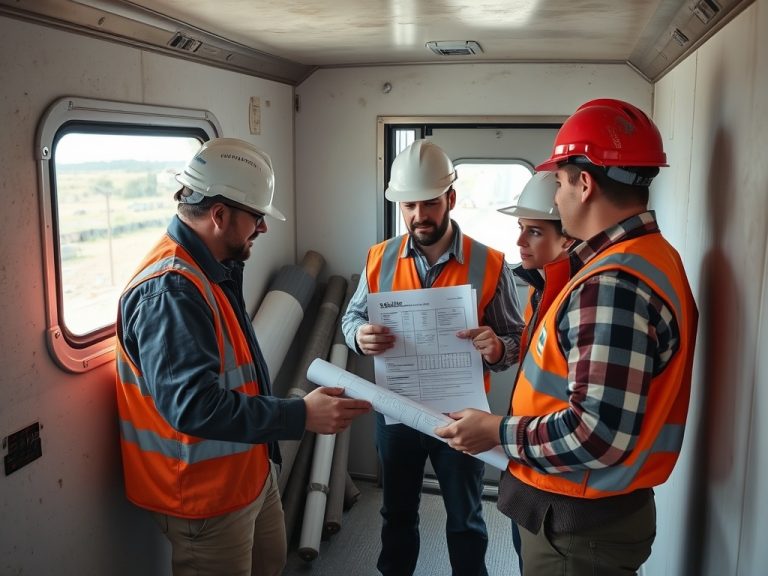
The post-completion period should begin with a structured warranty handoff meeting. This is not simply a ceremony. It is the point where the owner confirms who receives notices, how warranty requests are logged, which systems require ongoing maintenance, and what evidence is needed before a contractor or vendor visits the site.
A good handoff includes:
- A single warranty contact path.
- A list of systems with separate manufacturer coverage.
- Maintenance tasks that must continue to preserve coverage.
- Instructions for urgent issues, especially leaks, life-safety faults, or equipment shutdowns.
- A reminder that unauthorized repairs may affect warranty handling.
This is also the time to create a calendar. Some owners schedule reviews before the end of the correction period so latent issues can be logged before deadlines pass. That review should not be treated as a hunt for minor imperfections. It should focus on symptoms that may indicate defective work, installation issues, water intrusion, equipment faults, or incomplete closeout.
How contractors can reduce warranty friction
Warranty disputes often start before the warranty period begins. Vague closeout records, unclear exclusions, and inconsistent response habits all make post-completion issues harder to resolve.
Contractors can reduce friction by using plain language in handover documents. Explain what is covered, what is not covered, what counts as emergency response, and how the owner should submit photos or access notes. The AGC-hosted ConsensusDocs guidebook discusses correction of work and warranty concepts in contract terms, which is a reminder that warranty administration belongs in the contract workflow, not only in field operations.
Contractors should also avoid overpromising. It is fair to stand behind defined work. It is risky to imply that every product failure, owner-caused damage, or maintenance-related issue is covered. When the original crew has been cross-trained on documentation, why workforce cross-training helps small construction teams stay resilient becomes directly relevant to smoother warranty response.
Red flags that need faster attention
Not every warranty item is urgent, but some symptoms should be escalated quickly. Water intrusion, electrical odors, recurring life-safety alarms, failed drainage, structural movement, and equipment shutdowns deserve prompt review by qualified professionals. Delaying these issues can increase damage, complicate responsibility, and create safety concerns.
Owners should also avoid making undocumented repairs before notifying the responsible party unless urgent mitigation is necessary to protect people or property. When emergency action is required, document the condition before and after, preserve damaged parts when practical, and notify the contractor or vendor as the contract requires.
Warranty file checklist
A useful warranty record should answer five questions without a scavenger hunt:
- What product, system, area, or assembly is involved?
- Who installed it and who manufactured it?
- What warranty applies and when does it expire?
- What maintenance is required to keep coverage valid?
- What evidence is needed if a claim is made?
For facility teams, a warranty file is not an archive. It is a working maintenance and risk-management tool.
A Warranty File That Still Helps Two Years Later
The best warranty process is built before the first issue appears. Owners should keep closeout documents organized by asset and location, not only by trade. Contractors should define the claim path, keep response notes consistent, and avoid casual promises outside the contract.
Warranty knowledge also supports future construction planning. When owners understand how post-completion issues are handled, they can make better decisions about the rise of robotics in layout, rebar tying, and inspection and other technologies that may improve records but do not remove contractual responsibility.
Informational note: This article is educational only and does not provide legal, engineering, warranty-claims, insurance, or compliance advice. Warranty duties vary by contract and jurisdiction, so project-specific questions should be reviewed by qualified professionals.