Cavity Filling Basics: What Happens During the Appointment
Cavity Filling Basics: What Happens During the Appointment?
Domain: businessinsights.live/ | Article ID: 64
A cavity filling is the routine repair dentists use when tooth decay has created a small to moderate damaged area that can still be restored without a crown or root canal.
| TL;DR |
|---|
|
|
|
What a filling does in plain language
When a cavity creates a hole or softened area in a tooth, a dentist may remove the decayed part and rebuild the shape with a filling material. MouthHealthy explains that fillings can be made from different materials, and the right option depends on the tooth, the size of the repair, and other factors such as biting forces and appearance.
What usually happens during the appointment
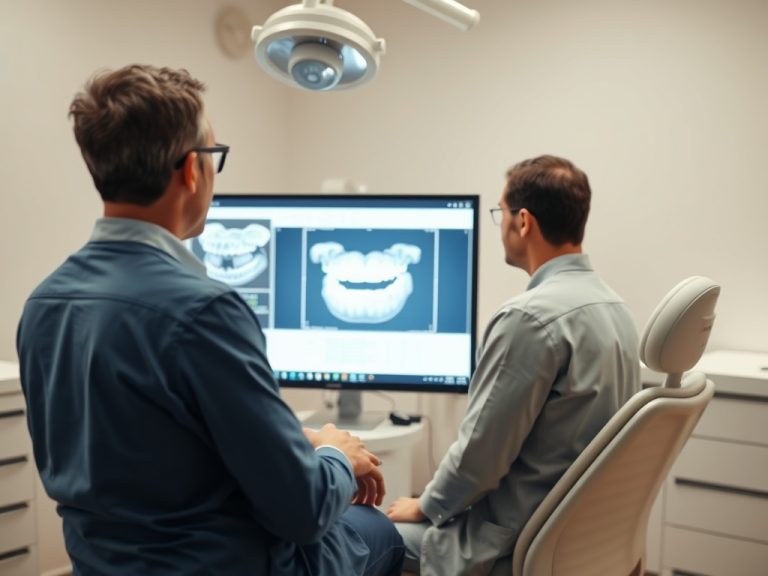
- A dentist examines the tooth and may use X-rays to check how far the decay extends.
- Local anesthetic may be used to numb the area, especially if the cavity is deeper.
- The decayed portion is removed and the area is cleaned.
- The filling material is placed, shaped, and adjusted so your bite feels normal.
- The dentist checks the contact and bite before you leave.
Some fillings are tooth-colored composite. Others may involve different restorative materials depending on the situation and the dentist’s recommendation.
Benefits, limits, and early risks to know
| Topic | What patients should know |
|---|---|
| Benefit | A filling can stop a cavity from progressing and restore normal chewing when caught in time |
| Limitation | A filling cannot save every tooth; very large defects may need a crown or another treatment |
| Possible short-term issue | Some sensitivity to cold, pressure, or the bite can happen after the appointment |
| Reason the plan changes | Deep decay near the nerve, a crack, or infection can shift the treatment toward more involved care |
Planning Notes for Cavity Filling Basics
A small or moderate cavity often stays a standard filling appointment. The situation becomes less routine when the cavity is very deep, extends below the gumline, affects the nerve, or leaves too little healthy tooth structure behind.

That is why sensitivity, visible tooth fracture, or swelling before the visit matters. Those signs can point to a more complicated repair plan.
If you are comparing broader treatment planning questions, Expert Roundup: How Dentists Sequence Orthodontics, Implants, and Cosmetic Work looks at how dentists sequence larger, multi-step care. If pain or swelling feels more serious than a routine cavity, What an Abscessed Tooth Feels Like and Why It Can’t Wait explains the warning signs of a dental infection that should not wait.
Timing and Recovery for Cavity Filling Basics
- Book a routine appointment when a cavity is suspected but symptoms are mild or there are no symptoms yet.
- Move up the visit if chewing hurts, cold lingers, food packs into the tooth, or part of the tooth has chipped.
- Seek urgent care if there is swelling, fever, a bad taste from drainage, or severe pain.
What this means for your visit
Filling appointments are common because they repair decay before it turns into a bigger problem. The more decay spreads, the more likely the treatment changes. Getting a suspicious tooth checked early gives you the best chance of keeping the repair simple.
Key Takeaways for Cavity Filling Basics
For Cavity Filling Basics, this part of Key Takeaways for Cavity Filling Basics focuses on the diagnosis, patient goal, treatment limits, and maintenance burden while risks and alternatives are compared, with the same details verified when a second opinion is considered. The clinician should also explain the difference between temporary support, definitive care, routine questions, and urgent signs for Cavity Filling Basics when the diagnosis is confirmed, using the examination and health history rather than a general assumption. Recording that explanation gives the patient a clearer next step for Cavity Filling Basics while risks and alternatives are compared, especially when follow-up duties are reviewed when a second opinion is considered.
Planning Notes for Cavity Filling Basics During Planning
A stable concern related to Cavity Filling Basics: What Happens During the Appointment may fit a routine appointment, but any rapid progression should trigger another call to the dental office. When reporting Cavity Filling Basics: What Happens During the Appointment, describe the start time, pattern, triggers, and whether temporary relief stops working as the long-term result is reviewed. The urgency of Cavity Filling Basics: What Happens During the Appointment depends on how quickly symptoms are changing and whether swelling, fever, trauma, bleeding, or loss of function is present.
Reliable Guidance for Cavity Filling Basics
For Cavity Filling Basics, this part of Reliable Guidance for Cavity Filling Basics focuses on current guidance that explains benefits, limits, alternatives, and warning signs when home-care instructions are prepared, with the same details verified when a second opinion is considered. The clinician should also explain how general information differs from advice based on the actual examination for Cavity Filling Basics when maintenance is discussed, using the examination and health history rather than a general assumption. Recording that explanation gives the patient a clearer next step for Cavity Filling Basics when home-care instructions are prepared, especially when follow-up duties are reviewed when a second opinion is considered.
Mistakes to Avoid With Cavity Filling Basics
For Cavity Filling Basics, this part of Mistakes to Avoid With Cavity Filling Basics focuses on harsh home remedies, repeated temporary fixes, and delays that hide progression as the treatment sequence is documented, with the same details verified when a second opinion is considered. The clinician should also explain which action could worsen pain, swelling, bleeding, fit, or tissue damage for Cavity Filling Basics before the next appointment is booked, using the examination and health history rather than a general assumption.
Mistakes to Avoid With Cavity Filling Basics During Planning
For Cavity Filling Basics, this part of Mistakes to Avoid With Cavity Filling Basics During Planning focuses on harsh home remedies, repeated temporary fixes, and delays that hide progression while the expected outcome is clarified, with the same details verified when a second opinion is considered. The clinician should also explain which action could worsen pain, swelling, bleeding, fit, or tissue damage for Cavity Filling Basics before consent is finalized, using the examination and health history rather than a general assumption.
Next Steps for Cavity Filling Basics
For Cavity Filling Basics, this part of Next Steps for Cavity Filling Basics focuses on one clear action, a follow-up date, and reasons to contact the office sooner before the final recommendation is accepted, with the same details verified when a second opinion is considered. The clinician should also explain what can be decided now and what depends on further evidence for Cavity Filling Basics when home-care instructions are prepared, using the examination and health history rather than a general assumption. Recording that explanation gives the patient a clearer next step for Cavity Filling Basics before the final recommendation is accepted, especially when follow-up duties are reviewed when a second opinion is considered.
Key Takeaways for Cavity Filling Basics During Planning
For Cavity Filling Basics, this part of Key Takeaways for Cavity Filling Basics During Planning focuses on the diagnosis, patient goal, treatment limits, and maintenance burden during the initial review, with the same details verified before temporary care is replaced. The clinician should also explain the difference between temporary support, definitive care, routine questions, and urgent signs for Cavity Filling Basics while cost and timing are compared, using the examination and health history rather than a general assumption. Recording that explanation gives the patient a clearer next step for Cavity Filling Basics during the initial review, especially when follow-up duties are reviewed before temporary care is replaced.
Sources for Cavity Filling Basics
- American Dental Association, MouthHealthy: Dental Filling Options (accessed 2026)
- American Dental Association, MouthHealthy: Cavities (accessed 2026)
- National Institute of Dental and Craniofacial Research: Oral Hygiene (accessed 2026)
Questions About Cavity Filling Basics
When Cavity Filling Basics: What Happens During the Appointment is reviewed, ask the dentist to connect each recommendation to the examination findings and compare reasonable alternatives. Before leaving the discussion of Cavity Filling Basics: What Happens During the Appointment, confirm the first step, expected follow-up, and warning signs that justify earlier contact as the long-term result is reviewed. A consultation about Cavity Filling Basics: What Happens During the Appointment is more useful when you bring a brief timeline, current medicines, relevant health conditions, and details of earlier dental work.
Clinical Checks for Cavity Filling Basics
Before accepting a plan for Cavity Filling Basics: What Happens During the Appointment, request a plain-language explanation of what would make the diagnosis or treatment sequence change during the initial review. A sound decision about Cavity Filling Basics: What Happens During the Appointment begins with the findings that can be seen, measured, photographed, or confirmed on dental imaging. For Cavity Filling Basics: What Happens During the Appointment, ask which observations are certain, which remain possible, and whether another test or specialist opinion would change the plan while recovery expectations are clarified.
Comparing Options for Cavity Filling Basics
For Cavity Filling Basics, this part of Comparing Options for Cavity Filling Basics focuses on benefit, limitations, durability, maintenance, timing, and total cost while the options are being narrowed, with the same details verified before temporary care is replaced. The clinician should also explain how each choice preserves tooth structure or tissue and what backup treatment may be needed for Cavity Filling Basics while the expected outcome is clarified, using the examination and health history rather than a general assumption. Recording that explanation gives the patient a clearer next step for Cavity Filling Basics while the options are being narrowed, especially when follow-up duties are reviewed before temporary care is replaced.
Timing and Recovery for Cavity Filling Basics During Planning
For Cavity Filling Basics, this part of Timing and Recovery for Cavity Filling Basics During Planning focuses on the order of diagnosis, preparation, treatment, healing, adjustment, and review before treatment is scheduled, with the same details verified before temporary care is replaced. The clinician should also explain how work, travel, eating, driving, exercise, or caregiving may be affected for Cavity Filling Basics when a second opinion is considered, using the examination and health history rather than a general assumption. Recording that explanation gives the patient a clearer next step for Cavity Filling Basics before treatment is scheduled, especially when follow-up duties are reviewed before temporary care is replaced.
Home Care for Cavity Filling Basics
Follow-up for Cavity Filling Basics: What Happens During the Appointment should identify expected changes, symptoms that require a phone call, and the date of the next professional review. Long-term success with Cavity Filling Basics: What Happens During the Appointment is easier to protect when daily cleaning and maintenance instructions are written clearly while the options are being narrowed.
Planning Notes for Cavity Filling Basics Before Treatment
If you think a tooth may need a filling, a routine exam is the best next move before the repair becomes more involved.