The Future of Minimally Invasive Dentistry
The Future of Minimally Invasive Dentistry
Domain: businessinsights.live/ | Article ID: 467
The future of minimally invasive dentistry is not about doing the least possible. It is about preserving healthy tooth structure, catching disease earlier, and choosing the smallest effective intervention that still protects long-term oral health.
| TL;DR |
|---|
|
|
|
Why the trend matters now
JADA has described minimally invasive dentistry as a philosophy focused on conserving healthy tooth structure and shifting care toward prevention and earlier, more targeted intervention. That matters now because digital imaging, caries-risk assessment, adhesive materials, remineralization approaches, and lesion monitoring can sometimes help clinicians act earlier and more selectively than older drill-first habits.
What looks proven versus what may be oversold
| Area | What seems well established | Where caution is still useful |
|---|---|---|
| Prevention and risk-based care | Early detection, fluoride use, sealants, and monitoring can reduce overtreatment | Technology alone does not replace clinical judgment |
| Adhesive and conservative restorations | Smaller, tooth-preserving repairs are often possible when disease is caught earlier | A small repair is not appropriate if decay is advanced |
| Marketing language | Patients may hear terms like laser, biomimetic, or drill-free | Not every branded approach has the same evidence or the same indication |
Who may benefit first
People with early-stage disease, high motivation for prevention, and teeth that can still be managed before damage spreads are often the first to benefit. Children and adults with developing lesions, recurrent decay risk, or concerns about preserving natural tooth structure may also benefit when treatment is individualized.
Questions worth asking before trying a newer approach
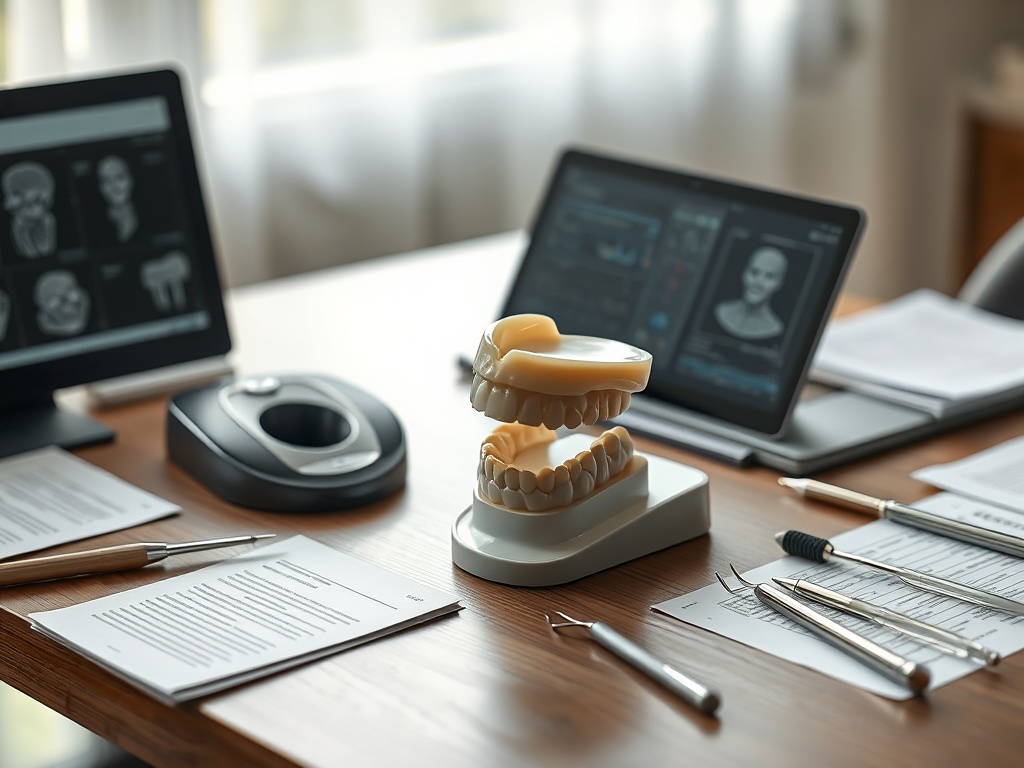
- Is this approach supported for my specific diagnosis, or is it mainly a newer marketing label?
- What are the alternatives if we choose to monitor rather than restore right away?
- How will success be measured over time?
- What happens if the conservative option does not hold up?
For an example of how ongoing specialist care stays monitored over time, How Often Do You Need Orthodontic Adjustments and Check-Ins? looks at orthodontic check-ins. For a broader planning view across multiple procedures, Expert Roundup: How Dentists Sequence Orthodontics, Implants, and Cosmetic Work explains how dentists often sequence complex care.
Where conservative care is heading
The future of minimally invasive dentistry is likely to reward careful diagnosis more than flashy equipment. The strongest patient benefit comes when conservative treatment is matched to the right case, not when new technology is used simply because it is available.
Background resources
- JADA: Minimally invasive dentistry (2015 overview; accessed 2026)
- JADA: The advantages of minimally invasive dentistry (accessed 2026)
- American Dental Association News: Minimally invasive dentistry shows promise in transforming pediatrics caries care (2025)
Questions About Future Minimally Invasive Dentistry
For Future Minimally Invasive Dentistry, this part of Questions About Future Minimally Invasive Dentistry focuses on the symptom history, previous treatment, current medicines, and the result the patient values most before temporary care is replaced, with the same details verified while recovery expectations are clarified. The clinician should also explain which examination finding supports each recommendation and what information could change it for Future Minimally Invasive Dentistry as the treatment sequence is documented, using the examination and health history rather than a general assumption.
Clinical Checks for Future Minimally Invasive Dentistry
For Future Minimally Invasive Dentistry, this part of Clinical Checks for Future Minimally Invasive Dentistry focuses on confirmed findings, measurements, imaging, and health-history factors while recovery expectations are clarified, with the same details verified while recovery expectations are clarified. The clinician should also explain what remains uncertain and whether another test or specialist opinion would alter the plan for Future Minimally Invasive Dentistry after the examination is explained, using the examination and health history rather than a general assumption. Recording that explanation gives the patient a clearer next step for Future Minimally Invasive Dentistry while recovery expectations are clarified, especially when follow-up duties are reviewed while recovery expectations are clarified.
Comparing Options for Future Minimally Invasive Dentistry
For Future Minimally Invasive Dentistry, this part of Comparing Options for Future Minimally Invasive Dentistry focuses on benefit, limitations, durability, maintenance, timing, and total cost when the diagnosis is confirmed, with the same details verified while recovery expectations are clarified. The clinician should also explain how each choice preserves tooth structure or tissue and what backup treatment may be needed for Future Minimally Invasive Dentistry before the final recommendation is accepted, using the examination and health history rather than a general assumption. Recording that explanation gives the patient a clearer next step for Future Minimally Invasive Dentistry when the diagnosis is confirmed, especially when follow-up duties are reviewed while recovery expectations are clarified.
Timing and Recovery for Future Minimally Invasive Dentistry
For Future Minimally Invasive Dentistry, this part of Timing and Recovery for Future Minimally Invasive Dentistry focuses on the order of diagnosis, preparation, treatment, healing, adjustment, and review as the long-term result is reviewed, with the same details verified while recovery expectations are clarified. The clinician should also explain how work, travel, eating, driving, exercise, or caregiving may be affected for Future Minimally Invasive Dentistry before temporary care is replaced, using the examination and health history rather than a general assumption. Recording that explanation gives the patient a clearer next step for Future Minimally Invasive Dentistry as the long-term result is reviewed, especially when follow-up duties are reviewed while recovery expectations are clarified.
Home Care for Future Minimally Invasive Dentistry
For Future Minimally Invasive Dentistry, this part of Home Care for Future Minimally Invasive Dentistry focuses on safe cleaning tools, foods, products, and daily techniques before the next appointment is booked, with the same details verified while recovery expectations are clarified. The clinician should also explain which changes are expected and which should prompt an earlier call for Future Minimally Invasive Dentistry while the options are being narrowed, using the examination and health history rather than a general assumption. Recording that explanation gives the patient a clearer next step for Future Minimally Invasive Dentistry before the next appointment is booked, especially when follow-up duties are reviewed while recovery expectations are clarified.
Timing and Recovery for Future Minimally Invasive Dentistry During Planning
For Future Minimally Invasive Dentistry, this part of Timing and Recovery for Future Minimally Invasive Dentistry During Planning focuses on the order of diagnosis, preparation, treatment, healing, adjustment, and review while risks and alternatives are compared, with the same details verified while recovery expectations are clarified. The clinician should also explain how work, travel, eating, driving, exercise, or caregiving may be affected for Future Minimally Invasive Dentistry when the diagnosis is confirmed, using the examination and health history rather than a general assumption.
What to ask about newer options
If a dentist recommends a minimally invasive option, ask how it compares with standard care for your exact diagnosis and what signs would mean the plan needs to change.
Cost Planning for Future Minimally Invasive Dentistry
If The Future of Minimally Invasive Dentistry involves insurance or financing, review authorization rules, total repayment, cancellation terms, and the effect of a changed plan. Budgeting for The Future of Minimally Invasive Dentistry should also account for maintenance, future repairs, and appointments that may not be included in the initial fee as the long-term result is reviewed. An itemized estimate for The Future of Minimally Invasive Dentistry should separate diagnosis, preparation, the main procedure, temporary care, laboratory work, and follow-up.
Next Steps for Future Minimally Invasive Dentistry
Before leaving a visit about The Future of Minimally Invasive Dentistry, confirm the follow-up date and the symptoms that should prompt earlier contact during the initial review. The next step for The Future of Minimally Invasive Dentistry is an examination matched to the current urgency and a concise record of what has changed.