How Often Do You Need Orthodontic Adjustments and Check-Ins
How Often Do You Need Orthodontic Adjustments and Check-Ins?
Domain: businessinsights.live/ | Article ID: 180
Most orthodontic patients need periodic check-ins throughout treatment, but the exact interval depends on the appliance, the treatment stage, and whether anything has broken or stopped tracking properly.
| TL;DR |
|---|
|
|
|
Why regular check-ins matter
Orthodontic treatment works by applying controlled forces over time. Those forces need monitoring because teeth do not move on a fixed calendar for every patient. The American Association of Orthodontists explains that braces and other orthodontic methods are tailored to the person’s bite and alignment problems, which is why follow-up schedules vary.
What happens at an adjustment or progress visit
- Your orthodontist checks how the teeth and bite are responding.
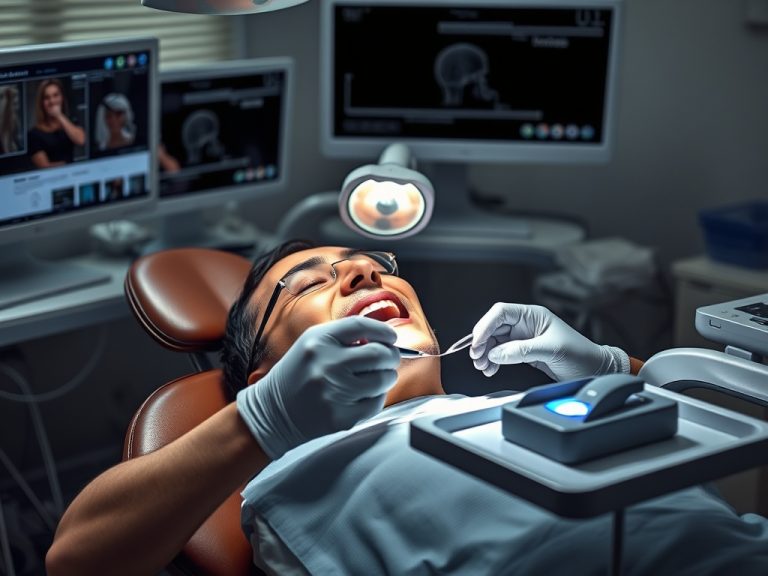
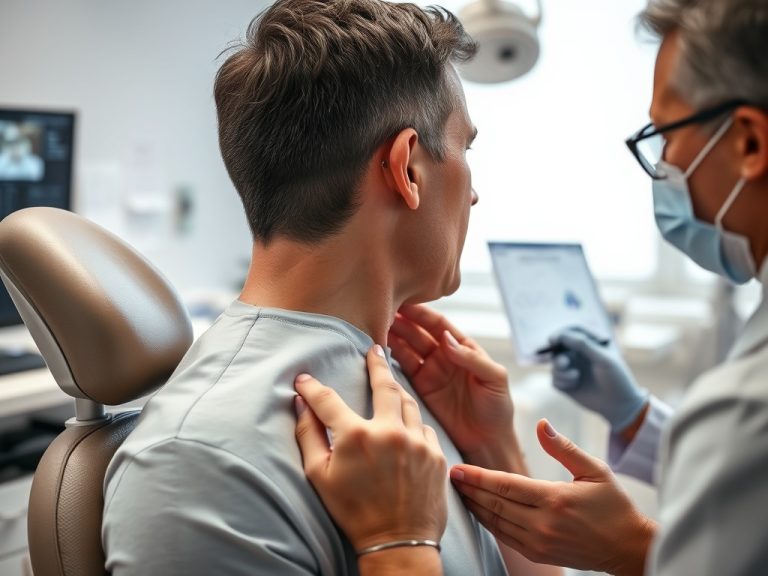
- Braces may be adjusted, wires or ties may be changed, or aligner progress may be reviewed.
- Any irritation, breakage, poor fit, hygiene concerns, or elastic wear issues are addressed.
- Your next interval is set based on how controlled the movement needs to be.
Questions About Often Orthodontic Adjustments Check-Ins
Do braces and aligners need the same visit schedule?
Not always. Different systems have different monitoring needs. Some phases require closer supervision, while others are mainly progress checks. Remote monitoring may help in some practices, but it does not eliminate the need for in-person assessment when something is off.
Is soreness after an adjustment normal?
Mild, temporary soreness can happen after adjustments because the teeth are responding to force. Ongoing or worsening pain is a reason to call the office instead of assuming it is normal.
Can you wait until the next appointment if something breaks?
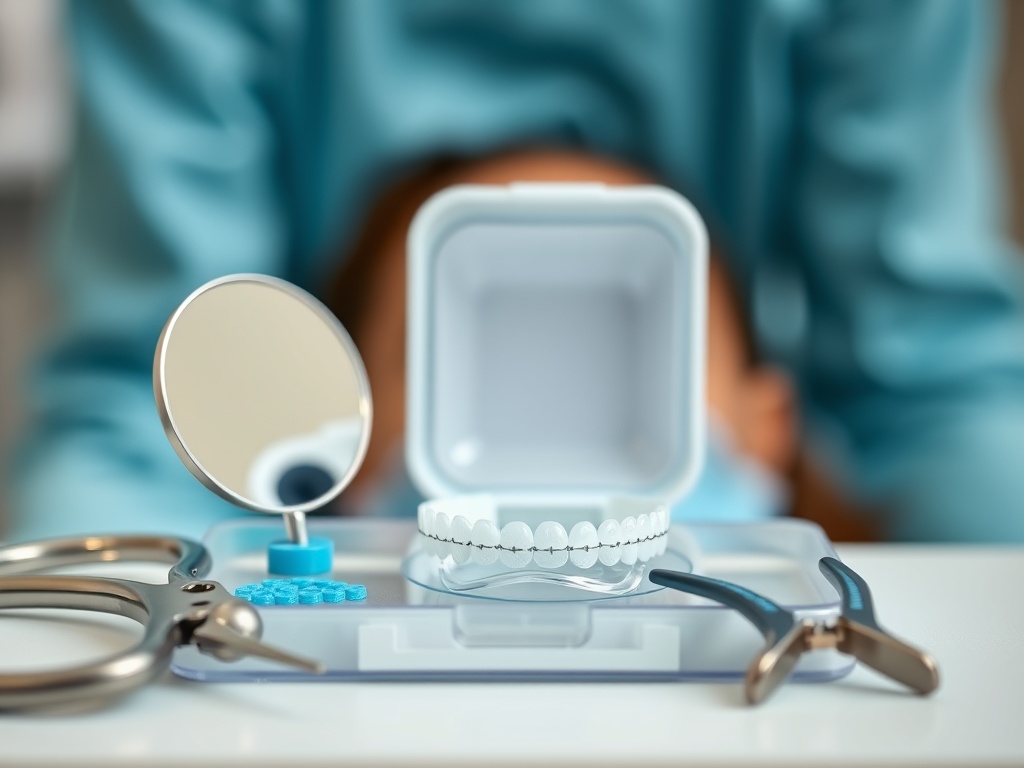
Loose brackets, poking wires, aligners that stop fitting, or retainers that crack should be reported. Waiting can slow progress or make the next step less predictable.
Watch and wait versus schedule care
| Situation | Usually reasonable to monitor | Usually worth calling sooner |
|---|---|---|
| Mild tenderness after a visit | Yes, if it improves | No, if pain escalates or lasts longer than expected |
| Small mouth irritation | Sometimes, with wax or simple comfort measures | Call if the appliance is cutting tissue or the area worsens |
| Broken bracket or wire | Usually not | Yes, report it because treatment control may be affected |
| Aligner no longer seats fully | Usually not | Yes, it may signal tracking problems |
For a broader look at staged dental planning, Expert Roundup: How Dentists Sequence Orthodontics, Implants, and Cosmetic Work shows how different treatments are often sequenced. If jaw soreness is making you wonder whether the discomfort is orthodontic or something else, TMJ Disorder vs Toothache: How to Tell Where Jaw Pain Is Coming From can help you think through the difference.
A realistic maintenance rhythm
Orthodontic follow-up is not just calendar maintenance. It is how the specialist keeps tooth movement safe, controlled, and efficient. Keep the routine visits your orthodontist recommends, but do not wait for the next one if something breaks, stops fitting, or hurts more than expected.
Helpful references
- For supporting context on How Often Do You Need Orthodontic Adjustments and Check-Ins, review American Association of Orthodontists: Orthodontic Treatment Methods (accessed 2026). Then compare the linked guidance with the examination findings for How Often Do You Need Orthodontic Adjustments and Check-Ins as the long-term result is reviewed, and ask which details do not apply to the current case.
- American Dental Association, MouthHealthy: Braces (accessed 2026)
- American Association of Orthodontists: What to Expect at Your First Orthodontic Appointment (2026)
Questions About Often Orthodontic Adjustments Check-Ins During Planning
For Often Orthodontic Adjustments Check-Ins, this part of Questions About Often Orthodontic Adjustments Check-Ins During Planning focuses on the symptom history, previous treatment, current medicines, and the result the patient values most when maintenance is discussed, with the same details verified before temporary care is replaced. The clinician should also explain which examination finding supports each recommendation and what information could change it for Often Orthodontic Adjustments Check-Ins during the initial review, using the examination and health history rather than a general assumption. Recording that explanation gives the patient a clearer next step for Often Orthodontic Adjustments Check-Ins when maintenance is discussed, especially when follow-up duties are reviewed before temporary care is replaced.
Clinical Checks for Often Orthodontic Adjustments Check-Ins
For Often Orthodontic Adjustments Check-Ins, this part of Clinical Checks for Often Orthodontic Adjustments Check-Ins focuses on confirmed findings, measurements, imaging, and health-history factors while comfort and function are assessed, with the same details verified before temporary care is replaced. The clinician should also explain what remains uncertain and whether another test or specialist opinion would alter the plan for Often Orthodontic Adjustments Check-Ins while recovery expectations are clarified, using the examination and health history rather than a general assumption. Recording that explanation gives the patient a clearer next step for Often Orthodontic Adjustments Check-Ins while comfort and function are assessed, especially when follow-up duties are reviewed before temporary care is replaced.
Comparing Options for Often Orthodontic Adjustments Check-Ins
For Often Orthodontic Adjustments Check-Ins, this part of Comparing Options for Often Orthodontic Adjustments Check-Ins focuses on benefit, limitations, durability, maintenance, timing, and total cost before consent is finalized, with the same details verified before temporary care is replaced. The clinician should also explain how each choice preserves tooth structure or tissue and what backup treatment may be needed for Often Orthodontic Adjustments Check-Ins before treatment is scheduled, using the examination and health history rather than a general assumption. Recording that explanation gives the patient a clearer next step for Often Orthodontic Adjustments Check-Ins before consent is finalized, especially when follow-up duties are reviewed before temporary care is replaced.
Timing and Recovery for Often Orthodontic Adjustments Check-Ins
Planning How Often Do You Need Orthodontic Adjustments and Check-Ins also means discussing effects on work, school, travel, eating, driving, exercise, and caregiving responsibilities. Before scheduling How Often Do You Need Orthodontic Adjustments and Check-Ins, ask how delays, missed visits, or slower healing could change comfort, cost, and the final result when a second opinion is considered. The timeline for How Often Do You Need Orthodontic Adjustments and Check-Ins should include diagnosis, preparation, treatment, healing, adjustment, and maintenance rather than only the main appointment.
Home Care and Follow-Up for How Often Do You Need Orthodontic Adjustments and Check-Ins
For Often Orthodontic Adjustments Check-Ins, this part of Home Care and Follow-Up for How Often Do You Need focuses on safe cleaning tools, foods, products, and daily techniques when the follow-up plan is written, with the same details verified before temporary care is replaced. The clinician should also explain which changes are expected and which should prompt an earlier call for Often Orthodontic Adjustments Check-Ins as the long-term result is reviewed, using the examination and health history rather than a general assumption. Recording that explanation gives the patient a clearer next step for Often Orthodontic Adjustments Check-Ins when the follow-up plan is written, especially when follow-up duties are reviewed before temporary care is replaced.
How to stay on track
If your appliance feels different, painful, or damaged, contact your orthodontic office rather than guessing whether it can wait.
Planning Notes for Often Orthodontic Adjustments Check-Ins
For Often Orthodontic Adjustments Check-Ins, this part of Planning Notes for Often Orthodontic Adjustments Check-Ins focuses on the clinical findings and the outcome the patient values most while cost and timing are compared, with the same details verified before temporary care is replaced. The clinician should also explain alternatives, limitations, timing, cost, and long-term upkeep for Often Orthodontic Adjustments Check-Ins while comfort and function are assessed, using the examination and health history rather than a general assumption. Recording that explanation gives the patient a clearer next step for Often Orthodontic Adjustments Check-Ins while cost and timing are compared, especially when follow-up duties are reviewed before temporary care is replaced.