8 Binge-Watching Mistakes That Make Great Series Less Enjoyable
Binge-watching can make a great series feel flatter when speed replaces attention. The best fix is not to stop watching multiple episodes, but to choose a pace that protects suspense, sleep, memory, and the show’s structure.
Episode-night takeaway: Decide how many episodes you want before you start, keep your phone away, and leave room to think about the story before the next autoplay begins.
Mistake 1: Letting autoplay decide the pace
Autoplay is convenient, but it turns a creative break into a platform decision. Many series use episode endings to create reflection, dread, humor, or surprise. If the next episode begins before you process the last one, the show can become one long blur. Turn off autoplay when you are watching something dense, twist-heavy, or emotionally demanding. If you keep it on, set a stopping rule first: one episode on weeknights, two for a weekend block, or stop after a major reveal. A chosen pace makes bingeing feel intentional rather than accidental.
Mistake 2: Watching complicated stories while multitasking
Some shows can play lightly in the background. Great series usually cannot. Character glances, costume changes, sound cues, and small callbacks often carry meaning. When you split attention between chat threads, shopping tabs, or work tasks, you may still follow plot, but miss texture. This is the streaming version of the beginner film problem described in world cinema viewing mistakes: unfamiliar or layered storytelling rewards full attention. Keep one screen active and use pauses when you need to reply, stretch, or look something up.
Mistake 3: Treating all genres the same
A sitcom, procedural, limited series, prestige drama, anime arc, and reality competition do not ask for the same rhythm. Comedy may benefit from spacing because jokes need freshness. Mystery may work best in short runs so clues stay active. A slow character drama may need time between episodes to let mood settle. Before you start, ask what pleasure the show offers. Is it suspense, comfort, spectacle, craft, social conversation, or emotional immersion? Then match your pace to that pleasure instead of using one binge style for everything.
Mistake 4: Sacrificing sleep for “just one more”
Late-night bingeing feels harmless until the next day’s fatigue changes how you remember the show. Sleep research often points to screen use and stimulating content as factors that can interfere with rest, and the Sleep Foundation’s guide to electronics and sleep explains common reasons screens can affect bedtime routines. You do not need to make television joyless. Set a final-start time, not only a bedtime. If an episode runs fifty-eight minutes, starting at 11:30 p.m. is already a choice to stay up past midnight.
Mistake 5: Skipping recaps and then blaming the writing
Recaps are not only for people who forgot everything. They signal which details the show wants back in your mind. If you have taken a week off, watch the recap. If you are bingeing fast, you may not need it every time, but do not skip it automatically on complex shows. The same rule applies to “previously on” segments, episode titles, and season openers. They are part of how serialized television manages memory.
Mistake 6: Reading reactions before you finish a season
Online conversation can make a series more fun, but it can also flatten your own response. If you read rankings, arguments, spoilers, and fan theories too early, you may start watching defensively. You look for proof that a twist is brilliant or terrible instead of letting it land. Choose a safe window for discussion. After an episode? After a story arc? After the whole season? This matters even more if you later join competitive or fandom-heavy communities, where the same speed of reaction can shape chat behavior. For that side of viewing culture, see new esports stream viewer mistakes.
Mistake 7: Ignoring the body
A long watch session is still a physical activity: sitting, snacking, staring, listening, and staying alert. Poor lighting, a harsh screen, bad posture, and no water can make the experience feel worse than the show deserves. Build small breaks into the session. Stand up between episodes. Adjust brightness before your eyes are tired. Eat real food before snack food becomes dinner. A little care keeps the series from being associated with fogginess.
Mistake 8: Finishing too fast to remember what mattered
Speed can make even excellent television feel disposable. If you finish eight episodes in one sitting, ask yourself the next day what changed, which scene stayed with you, and what question remains. If the answer is vague, you may have consumed the plot but not the experience. Try keeping a watch note with three lines per session: best scene, unresolved question, and when to stop next time. This is not homework. It is a way to help a strong series stay vivid.
A Better Rhythm for Long-Form Television
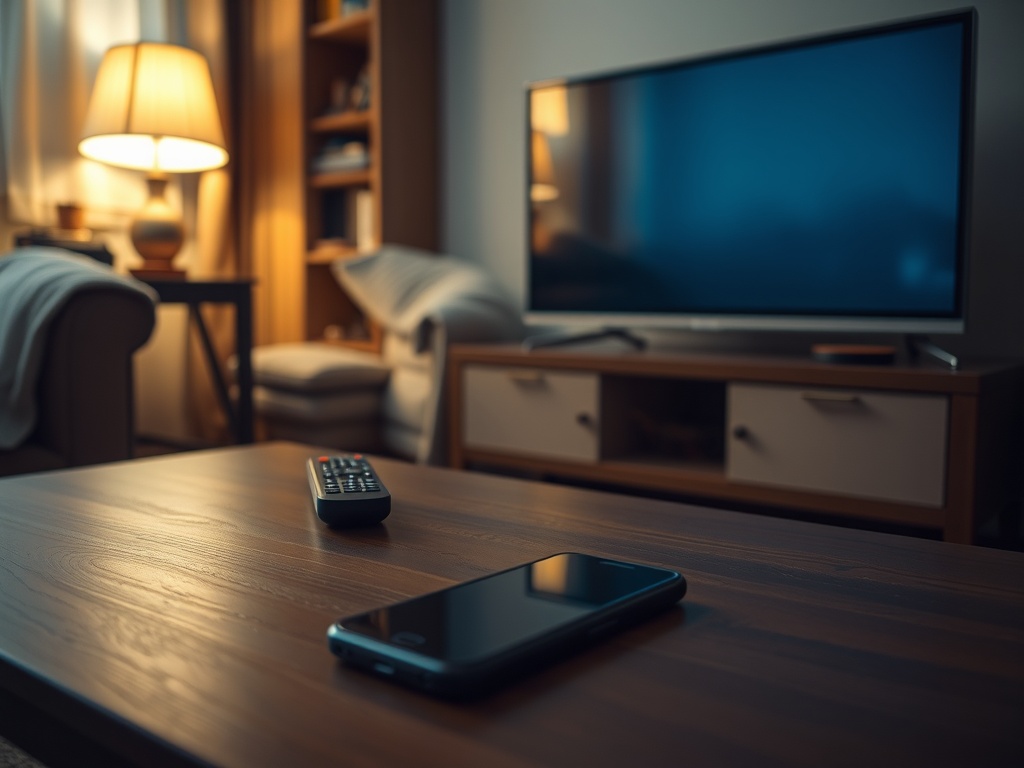
Before starting a new series, choose a viewing format. “Slow burn” means one episode per night or week. “Weekend arc” means two or three episodes with breaks. “Social watch” means matching pace with friends so discussion stays spoiler-safe. “Comfort rewatch” can be looser because surprise is not the point. This small choice prevents the common mistake of using the same habits for every show.
When a show is truly good, the aim is not to finish before everyone else. The aim is to keep the pleasure intact. You can still binge, but make the binge serve the story. Choose the number of episodes, protect attention, and leave enough silence afterward for the ending to do its work.
Make the Next Episode Feel Chosen
Your next series night should begin with a number, a stopping point, and one distraction you remove from the room. That is enough to make watching feel less automatic and more enjoyable.
How to Keep a Season From Blurring Together
A strong season deserves a little space around its turning points. After any episode that changes the main conflict, pause long enough to say what changed out loud or write one sentence. This tiny interruption strengthens memory and makes the next episode feel earned. If you are watching with someone else, use the pause for a short reaction before opening social media. You will enjoy online commentary more when your own response has already formed.